• Patient Portal
  • Pay Bill
  • Request Appointment
MCHS_Logo_2024_BLACK
    • Cardiology (Heart)
    • Gastroenterology & Hepatology (Digestive Care)
    • Neurosurgery
    • Obstetrics & Gynecology (OB-GYN)
    • Oncology (Cancer)
    • Orthopedics & Orthopedic Surgery (Bones)
    • Primary Care
    • Spine Care
    • Sports Medicine
    • Virtual Care 24/7
    View all specialties
  • Providers
  • Minnesota

    • Albert Lea
    • Austin
    • Blooming Prairie
    • Butterfield
    • Cannon Falls
    • Fairmont
    • Faribault
    • Lake City
    • Mankato
    • New Prague
    • Northfield
    • Owatonna
    • Plainview
    • Red Wing
    • Sherburn
    • St. James
    • Waseca
    • Zumbrota

    Wisconsin

    • Arcadia
    • Barron
    • Bloomer
    • Chetek
    • Chippewa Falls
    • Eau Claire
    • Ellsworth
    • Glenwood City
    • Holmen
    • La Crosse
    • Menomonie
    • Mondovi
    • Onalaska
    • Osseo
    • Prairie du Chien
    • Rice Lake
    • Sparta
    • Tomah
    mchsmap Map view
    • VirtualCare
      Virtual Care
    • SameDayCare
      Same-Day Care
    • PrimaryCare
      Primary Care
    • SpecialtyCare
      Specialty Care
    • View all care options
    • PrimaryCare
      Billing & Insurance
    • SameDayCare
      Financial Assistance
    • VirtualCare
      Price Transparency
    • Hometown Health
    • Classes & Events
    • Self-guided wellness programs
    • Mayo Clinic Connect
    • Community Resources
  • Patient Portal
  • Pay Bill
  • Request Appointment
MCHS_Logo_2024_BLACK
Search Mayo Clinic Health System
    • Cardiology (Heart)
    • Gastroenterology & Hepatology (Digestive Care)
    • Neurosurgery
    • Obstetrics & Gynecology (OB-GYN)
    • Oncology (Cancer)
    • Orthopedics & Orthopedic Surgery (Bones)
    • Primary Care
    • Spine Care
    • Sports Medicine
    • Virtual Care 24/7
    • View all specialties
  • Providers
    • Minnesota

    • Albert Lea
    • Austin
    • Blooming Prairie
    • Butterfield
    • Cannon Falls
    • Fairmont
    • Faribault
    • Lake City
    • Mankato
    • New Prague
    • Northfield
    • Owatonna
    • Plainview
    • Red Wing
    • Sherburn
    • St. James
    • Waseca
    • Zumbrota

      Wisconsin

    • Arcadia
    • Barron
    • Bloomer
    • Chetek
    • Chippewa Falls
    • Eau Claire
    • Ellsworth
    • Glenwood City
    • Holmen
    • La Crosse
    • Menomonie
    • Mondovi
    • Onalaska
    • Osseo
    • Prairie du Chien
    • Rice Lake
    • Sparta
    • Tomah
    • Map view
    • Virtual Care
    • Same-Day Care
    • Primary Care
    • Specialty Care
    • View all care options
    • Billing & Insurance
    • Financial Assistance
    • Price Transparency
    • Hometown Health
    • Classes & Events
    • Self-guided wellness programs
    • Mayo Clinic Connect
    • Community Resources
Posted By
Michael Ulrich MD

Michael Ulrich, M.D.

Family Medicine, Hyperbaric Medicine, Primary Care, Wound & Ostomy Care

Featured Topics
  • Behavioral Health
  • Cancer
  • Children's Health (Pediatrics)
  • Exercise and Fitness
  • Heart Health
  • Men's Health
  • Neurosurgery
  • Obstetrics and Gynecology
  • Orthopedic Health
  • Weight-loss (Bariatric) Surgery
  • Women's Health
Speaking of Health
Wednesday, July 3, 2024

4 essential food safety tips for summertime gatherings
Topics in this Post
  • Family Medicine
  • Get healthy recipes and tips
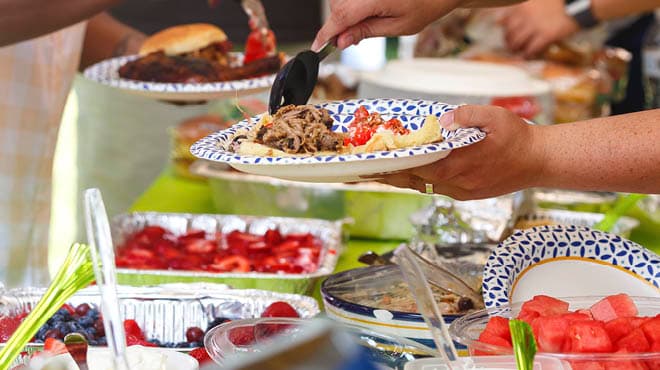
Table of summer food

Summer is a season of outdoor gatherings, barbecues and picnics, where food is often at the center of the festivities. However, the warm weather also creates ideal conditions for the growth of harmful bacteria, increasing the risk of foodborne illnesses. It's critical that you follow food safety recommendations so you can enjoy hosting and attending these events without worrying about getting sick.

Follow these four simple tips to prevent foodborne illness:

1. Wash your hands and surfaces often.

Wash your hands frequently, especially when handling food. Always wash your hands after using the bathroom, changing a diaper or touching pets. Also clean your hands before eating and after sneezing or coughing. If you can't use soap and hot, running water, clean your hands with disposable hand wipes before and after working with food. Confirm that all surfaces are clean before preparing food. Regularly sanitize countertops, cutting boards and utensils.

2. Avoid cross-contamination.

When packing a cooler, securely package raw meats and store them separately from other foods to prevent their juices from leaking onto ready-to-eat items. Thoroughly wash any plates, containers and utensils that have come into contact with raw meats or poultry before using them for cooked food. Use separate cutting boards for raw meat and other foods, and always wash your hands after handling raw meat to prevent the spread of harmful bacteria. Keep utensils and food covered until serving time. Flies, other insects and pets can carry germs or salmonella and spread them to your food and serveware if they touch them.

3. Cook food to safe temperatures.

Bring a food thermometer to ensure meat and poultry are fully cooked. Be aware of the recommended internal temperatures for each type of meat. Make sure the thermometer rests in the thickest part of the meat for an accurate reading. Do not partially cook food in advance, as this can allow bacteria to survive and multiply, potentially reaching levels that later cooking won't eliminate.

4. Refrigerate food promptly.

Ensure perishable items, like luncheon and cooked meats, chicken and salads, are always chilled. To avoid temperature fluctuations, consider using a separate cooler for beverages since people will open a drink cooler frequently. Package and put leftovers in a cooler or fridge within two hours after eating. When in doubt about the safety of any food item, throw it out.

If you develop what you suspect is a foodborne illness, keep a careful watch on your symptoms. While many illnesses can be treated by increasing fluid intake to replace lost fluids or electrolytes, severe cases may require further treatment. Seek medical attention right away if you are experiencing symptoms such as diarrhea, high fever, blood in your stools, prolonged vomiting, severe dehydration or signs of shock or confusion.

Next steps:

  • Find a family medicine professional near you.
  • Request an appointment today.
  • Find out how to be sun savvy to protect from skin cancer.
  • Get more summer safety tips.
  • Learn safety rules when boating.

Michael Ulrich, M.D., is a Family Medicine physician in Albert Lea, Minnesota.

Topics in this Post
  • Family Medicine
  • Get healthy recipes and tips

Related Posts

Opening lid on coffee cup Caffeine consumption: How much is too much, hidden sources
Smiling in front of brick wall Intermittent fasting: Fad or valid weight-loss solution?
Rinsing strawberries Tips for keeping summer produce fresh and flavorful
Mayo Clinic Health System
About Us
Careers
Volunteer
Donate
Contact Us
Patient Care
Patients & Visitors
Classes & Events
Mayo Clinic Connect
Mayo Clinic
Resources
Referrals
Community Resources
Financial Assistance
Price Transparency
Compliance
Notice of Nondiscrimination
Notice of Privacy Practices
No Surprises Act
Terms of Use
Manage Cookie
Privacy Policy
© 2018 - 2026 Mayo Clinic Health System