• Patient Portal
  • Pay Bill
  • Request Appointment
MCHS_Logo_2024_BLACK
    • Cardiology (Heart)
    • Gastroenterology & Hepatology (Digestive Care)
    • Neurosurgery
    • Obstetrics & Gynecology (OB-GYN)
    • Oncology (Cancer)
    • Orthopedics & Orthopedic Surgery (Bones)
    • Primary Care
    • Spine Care
    • Sports Medicine
    • Virtual Care 24/7
    View all specialties
  • Providers
  • Minnesota

    • Albert Lea
    • Austin
    • Blooming Prairie
    • Butterfield
    • Cannon Falls
    • Fairmont
    • Faribault
    • Lake City
    • Mankato
    • New Prague
    • Northfield
    • Owatonna
    • Plainview
    • Red Wing
    • Sherburn
    • St. James
    • Waseca
    • Zumbrota

    Wisconsin

    • Arcadia
    • Barron
    • Bloomer
    • Chetek
    • Chippewa Falls
    • Eau Claire
    • Ellsworth
    • Glenwood City
    • Holmen
    • La Crosse
    • Menomonie
    • Mondovi
    • Onalaska
    • Osseo
    • Prairie du Chien
    • Rice Lake
    • Sparta
    • Tomah
    mchsmap Map view
    • VirtualCare
      Virtual Care
    • SameDayCare
      Same-Day Care
    • PrimaryCare
      Primary Care
    • SpecialtyCare
      Specialty Care
    • View all care options
    • PrimaryCare
      Billing & Insurance
    • SameDayCare
      Financial Assistance
    • VirtualCare
      Price Transparency
    • Hometown Health
    • Classes & Events
    • Self-guided wellness programs
    • Mayo Clinic Connect
    • Community Resources
  • Patient Portal
  • Pay Bill
  • Request Appointment
MCHS_Logo_2024_BLACK
Search Mayo Clinic Health System
    • Cardiology (Heart)
    • Gastroenterology & Hepatology (Digestive Care)
    • Neurosurgery
    • Obstetrics & Gynecology (OB-GYN)
    • Oncology (Cancer)
    • Orthopedics & Orthopedic Surgery (Bones)
    • Primary Care
    • Spine Care
    • Sports Medicine
    • Virtual Care 24/7
    • View all specialties
  • Providers
    • Minnesota

    • Albert Lea
    • Austin
    • Blooming Prairie
    • Butterfield
    • Cannon Falls
    • Fairmont
    • Faribault
    • Lake City
    • Mankato
    • New Prague
    • Northfield
    • Owatonna
    • Plainview
    • Red Wing
    • Sherburn
    • St. James
    • Waseca
    • Zumbrota

      Wisconsin

    • Arcadia
    • Barron
    • Bloomer
    • Chetek
    • Chippewa Falls
    • Eau Claire
    • Ellsworth
    • Glenwood City
    • Holmen
    • La Crosse
    • Menomonie
    • Mondovi
    • Onalaska
    • Osseo
    • Prairie du Chien
    • Rice Lake
    • Sparta
    • Tomah
    • Map view
    • Virtual Care
    • Same-Day Care
    • Primary Care
    • Specialty Care
    • View all care options
    • Billing & Insurance
    • Financial Assistance
    • Price Transparency
    • Hometown Health
    • Classes & Events
    • Self-guided wellness programs
    • Mayo Clinic Connect
    • Community Resources
Posted By
Allie Mahowald, RDN

Allie Mahowald, RDN

Diabetes Education, Medical Nutrition Therapy

Recent Posts

  • Woman with pumpkins
    Speaking of Health
    From inflammation to heart health: The perks of pumpkin in your diet
    November 04, 2024
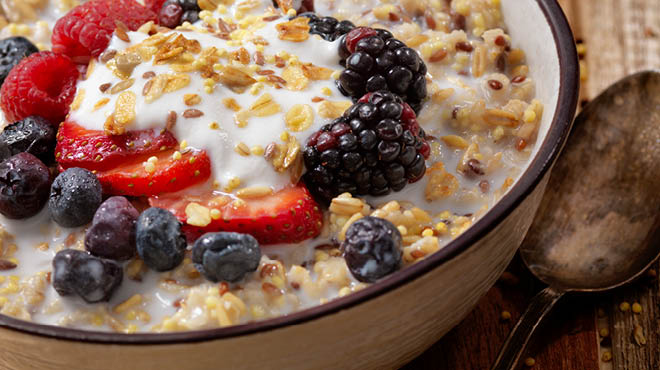
  • Oatmeal with flaxseed and fruit
    Speaking of Health
    What makes tiny flaxseed a nutritional powerhouse?
    July 10, 2024
  • Healthy snacks
    Speaking of Health
    Are you mindlessly munching or sensibly snacking?

    January 17, 2024
Featured Topics
  • Behavioral Health
  • Cancer
  • Children's Health (Pediatrics)
  • Exercise and Fitness
  • Heart Health
  • Men's Health
  • Neurosurgery
  • Obstetrics and Gynecology
  • Orthopedic Health
  • Weight-loss (Bariatric) Surgery
  • Women's Health
Speaking of Health
Wednesday, July 13, 2022

An introduction to probiotics

Topics in this Post
  • Nutrition
  • Get healthy recipes and tips
  • Gastrointestinal Health
Pickles

Recently, there's been a lot of conversation in the media about probiotics. As a nutritionist, I often answer questions from patients looking to know more about probiotics and their publicized health benefits. While medical science works to further understand the role the microbiome plays in your daily health, there are a few questions we can shed some light on to help you gain a better understanding of probiotics.

What are probiotics?

Probiotics are live, active microorganisms ingested to alter the gastrointestinal flora for health benefits. They often are referred to as good bacteria in the gut and compete with bad bacteria to support the body in establishing optimal digestion and aid immune function.

Why are probiotics important to your health?

Probiotics help create a balance in a healthy digestive system. Gastrointestinal problems can occur when this balance breaks down either due to illness, a course of antibiotics, a diet lacking nutrient-dense food or the overgrowth of unfriendly bacteria.

Although more research is needed, there is evidence that probiotics may help:

  • Prevent or treat diarrhea caused by infections and antibiotics
  • Improve symptoms of irritable bowel syndrome
  • Boost immune system
  • Reduce inflammation and allergies

Are probiotics right for everyone?

Probiotics have a good safety record for people who are generally healthy. If they occur at all, side effects usually consist of mild digestive symptoms like gas. As with any drug or supplement, always talk to your health care team before taking any probiotic. This is especially important if you have a suppressed immune system, as some people occasionally report serious complications, such as infections.

What foods contain probiotics?

Some probiotic-rich foods include:

  • Kefir
  • Kimchi
  • Kombucha
  • Miso
  • Pickles
  • Sauerkraut
  • Tempeh
  • Yogurt

What should I consider when researching probiotics?

The potential benefits of probiotics are widespread, but there's no one-size-fits-all application. There are many different probiotics, each strain performing a separate function or producing a different benefit in the body. Additionally, probiotic supplementation is an exciting and growing area of research. The current literature supports their use for various conditions, primarily within digestive health.

Things to consider:

  • Find the right strain for your individual needs.
  • Follow storage instructions, as some probiotics need to be refrigerated.
  • Check the expiration date of the probiotic you're using.
  • Try foods or supplements. Either is fine, though supplements generally have higher concentrations of probiotics.

Most importantly, eat a diet rich in nutrients and high in fiber — including fruits, vegetables and whole grains. Probiotics feed off of fiber and build colonies that will keep your gut in a healthy balance.

If you have questions or concerns about probiotics, make sure you to discuss them with your health care team.

Allie Wergin is a registered dietitian-nutritionist New Prague, Minnesota.


Topics in this Post
  • Nutrition
  • Get healthy recipes and tips
  • Gastrointestinal Health

Related Posts

Two people making bread Do you need to say goodbye to gluten?
Herbed shrimp All about food allergies
Hands making gluten-free food Gluten-free: What does that mean?
Mayo Clinic Health System
About Us
Careers
Volunteer
Donate
Contact Us
Patient Care
Patients & Visitors
Classes & Events
Mayo Clinic Connect
Mayo Clinic
Resources
Referrals
Community Resources
Financial Assistance
Price Transparency
Compliance
Notice of Nondiscrimination
Notice of Privacy Practices
No Surprises Act
Terms of Use
Manage Cookie
Privacy Policy
© 2018 - 2026 Mayo Clinic Health System