Recent Posts
-
Speaking of HealthAfib and irregular heartbeat symptoms: What you need to know
-
Speaking of HealthPink eye: Symptoms, causes and when to seek care
-
Speaking of HealthWhen to seek care for cold, flu and RSV



5 ways to get better sleep
You're not alone if you have trouble falling or staying asleep. Many people struggle with sleep — and that's a problem, since sleep plays a crucial role in your health, energy levels and ability to function at your best. Most adults require seven to eight hours of sleep each night to feel well-rested and energized each day.
If restless nights have become the norm for you or you find that your sleep is not refreshing, start by observing your sleep patterns. Take note of how much you sleep each night, what factors contribute to your sleep, how rested you feel the next morning and how sleepy you feel throughout the day.
After observing your sleep patterns for one to two weeks, try these five strategies to help improve your sleep:
1. Minimize light and sound.
These two environmental factors can impact your quality and quantity of sleep. Darkness causes your brain to release melatonin for a calming, sleepy effect. As a result, it's important to minimize your exposure to light before bedtime. Even the light from your computer, TV or other devices might make it more difficult to fall asleep. Ban these devices from your bedroom, and create a dark space using blackout shades or an eye mask. Noise also can interfere with your ability to sleep. Try using a fan or a noise machine to block out unwanted noises.
2. Get comfortable.
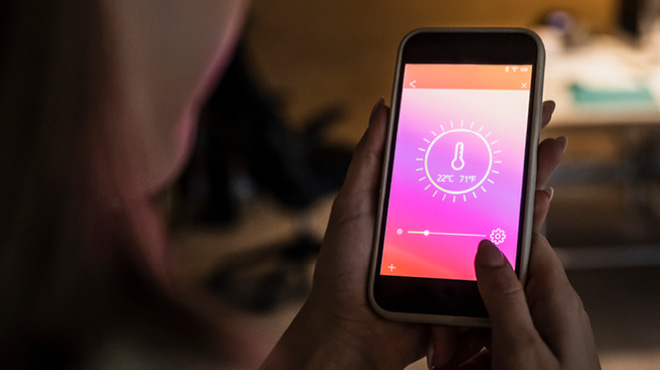
 Adults spend about a third of their lives asleep, so it's worthwhile to invest in bedding that comforts and relaxes you. Before climbing into bed, try lowering your thermostat a few degrees. Your core temperature drops during rest, and keeping your room chilly will aid in this natural temperature drop.
3. Keep a routine.
Just like kids, adults sleep better when they have a bedtime routine. Stick to a regular sleep schedule. Aim to go to bed and wake up at the same time, during the week and on weekends. Doing the same thing before bed each night can help prepare your body for rest and condition your brain for sleep. Stick to activities that promote relaxation, such as gentle stretching, writing in a journal, reading or meditation.
4. Manage stress.
How you handle stress can significantly affect your ability to fall and stay asleep. While stress isn't all bad, it can disrupt your sleep when it turns into worry or anxiety. If your busy mind keeps you up at night, try practicing stress management techniques bedtime. Listening, but not watching, sleep talk-down meditations can help clear your mind. Experiment with aromatherapy, deep breathing, keeping a gratitude journal or other meditation.
5. Get out of bed.
If you lie in bed stressing about your inability to sleep, get out of bed and do something that will promote relaxation. This might be reading an uninteresting book, practicing a relaxation technique or focusing on your breath. When you begin to feel sleepy, head back to bed. Avoid spending time in bed frustrated about sleep.
Make sleep a priority. Even if you're already sleeping soundly, these tips can help.
If you're still not getting enough sleep, use these additional suggestions until you get the sleep you need to feel your best each day:
- Keep a written log of your sleep schedule this week.
- Turn off your electronic devices — including your phone and TV— an hour before bed each night.
- Do some gentle stretches before bed to help you relax.
Continue making adjustments until restless nights become a thing of the past. If you struggle with sleep despite these measures, it may be time to talk with your health care team.
Rachel Ziegler, M.D., is a physician in Sleep Medicine in Fairmont and Mankato, Minnesota.