• Patient Portal
  • Pay Bill
  • Request Appointment
MCHS_Logo_2024_BLACK
    • Cardiology (Heart)
    • Gastroenterology & Hepatology (Digestive Care)
    • Neurosurgery
    • Obstetrics & Gynecology (OB-GYN)
    • Oncology (Cancer)
    • Orthopedics & Orthopedic Surgery (Bones)
    • Primary Care
    • Spine Care
    • Sports Medicine
    • Urology
    View all specialties
  • Providers
  • Minnesota

    • Albert Lea
    • Austin
    • Blooming Prairie
    • Butterfield
    • Cannon Falls
    • Fairmont
    • Faribault
    • Lake City
    • Mankato
    • New Prague
    • Northfield
    • Owatonna
    • Plainview
    • Red Wing
    • Sherburn
    • St. James
    • Waseca
    • Zumbrota

    Wisconsin

    • Arcadia
    • Barron
    • Bloomer
    • Chetek
    • Chippewa Falls
    • Eau Claire
    • Ellsworth
    • Glenwood City
    • Holmen
    • La Crosse
    • Menomonie
    • Mondovi
    • Onalaska
    • Osseo
    • Prairie du Chien
    • Rice Lake
    • Sparta
    • Tomah
    mchsmap Map view
    • VirtualCare
      Virtual Care
    • SameDayCare
      Same-Day Care
    • PrimaryCare
      Primary Care
    • SpecialtyCare
      Specialty Care
    • View all care options
    • PrimaryCare
      Billing & Insurance
    • SameDayCare
      Financial Assistance
    • VirtualCare
      Price Transparency
  • Health & Wellness Resources
    • Patient Portal
    • Pay Bill
    • Request Appointment
    MCHS_Logo_2024_BLACK
        • Cardiology (Heart)
        • Gastroenterology & Hepatology (Digestive Care)
        • Neurosurgery
        • Obstetrics & Gynecology (OB-GYN)
        • Oncology (Cancer)
        • Orthopedics & Orthopedic Surgery (Bones)
        • Primary Care
        • Spine Care
        • Sports Medicine
        • Urology
        • View all specialties
      • Providers
        • Minnesota

        • Albert Lea
        • Austin
        • Blooming Prairie
        • Butterfield
        • Cannon Falls
        • Fairmont
        • Faribault
        • Lake City
        • Mankato
        • New Prague
        • Northfield
        • Owatonna
        • Plainview
        • Red Wing
        • Sherburn
        • St. James
        • Waseca
        • Zumbrota

          Wisconsin

        • Arcadia
        • Barron
        • Bloomer
        • Chetek
        • Chippewa Falls
        • Eau Claire
        • Ellsworth
        • Glenwood City
        • Holmen
        • La Crosse
        • Menomonie
        • Mondovi
        • Onalaska
        • Osseo
        • Prairie du Chien
        • Rice Lake
        • Sparta
        • Tomah
        • Map view
        • Virtual Care
        • Same-Day Care
        • Primary Care
        • Specialty Care
        • View all care options
        • Billing & Insurance
        • Financial Assistance
        • Price Transparency
      • Health & Wellness Resources
      Posted By
      Kelsey Kidd, C.N.P.

      Kelsey Kidd, APRN, C.N.P., M.S.N.

      Neurology (Brain & Nerves)

      Featured Topics
      • Behavioral Health
      • Cancer
      • Children's Health (Pediatrics)
      • Exercise and Fitness
      • Heart Health
      • Men's Health
      • Neurosurgery
      • Obstetrics and Gynecology
      • Orthopedic Health
      • Weight-loss (Bariatric) Surgery
      • Women's Health
      Speaking of Health
      Thursday, December 29, 2022

      6 tips to keep your brain healthy

      Topics in this Post
      • Dementia/Alzheimer's Disease
      • Aging
      • Balance Your Mental and Emotional Health
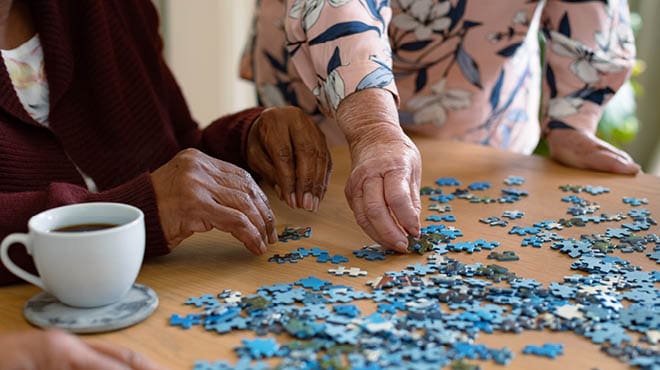
      Hands sorting puzzle pieces

      Changes to your body and brain are normal as you age. However, there are some things you can do to help slow any decline in memory and lower your risk of developing Alzheimer's disease or other dementias.

      Here are six things I recommend to my patients in order of importance:

      1. Exercise regularly.

      Exercise has many known benefits, and regular physical activity also benefits the brain. Multiple research studies show that physical active people are less likely to experience a decline in their mental function and have a lower risk of developing Alzheimer's disease.

      These benefits result from increased blood flow to your brain during exercise. It also tends to counter some of the natural reduction in brain connections that occur during aging, reversing some of the problems.

      Aim to exercise several times per week for 30 to 60 minutes. You can walk, swim, play tennis or do any other moderate aerobic activity that increases your heart rate.

      2. Get plenty of sleep.

      Sleep plays an important role in your brain health. Some theories state that sleep helps clear abnormal proteins in your brain and consolidates memories, which boosts your overall memory and brain health.

      Aim for seven to eight consecutive hours of sleep per night, not fragmented sleep of two- or three-hour increments. Consecutive sleep gives your brain the time to consolidate and store your memories effectively. Sleep apnea harms your brain's health and could be why you may struggle to get consecutive hours of sleep. Talk with your health care team if you or a loved one suspects you have sleep apnea.

      3. Eat a Mediterranean diet.

      Your diet plays a large role in your brain health. Consider following a Mediterranean diet, which emphasizes plant-based foods, whole grains, fish and healthy fats, such as olive oil. It incorporates less red meat and salt than a typical American diet.

      Studies show people who closely follow a Mediterranean diet are less likely to have Alzheimer's disease than people who don't follow the diet. Further research is needed to determine which parts of the diet help brain function the most. However, we know that omega fatty acids found in extra-virgin olive oil and other healthy fats are vital for your cells to function correctly, appear to decrease your risk of coronary artery disease, increase mental focus and slow cognitive decline in older adults.

      4. Stay mentally active.

      Your brain is similar to a muscle — you need to use it or lose it. There are many things that you can do to keep your brain in shape, such as doing crossword puzzles or Sudoku, reading, playing cards or putting together a jigsaw puzzle. Consider it cross-training your brain. Incorporate different types of activities to increase the effectiveness.

      Most health care teams don't recommend the paid brain-training programs available. These programs often overpromise results or focus on memorization skills that aren't useful in everyday life. Your brain can get just as good of a workout through reading or challenging yourself with puzzles. Finally, don't watch too much TV, as that is a passive activity and does little to stimulate your brain.

      5. Remain socially involved.

      Social interaction helps ward off depression and stress, which can contribute to memory loss. Look for opportunities to connect with loved ones, friends and others, especially if you live alone. Research links solitary confinement to brain atrophy, so remaining socially active may have the opposite effect and strengthen the health of your brain.

      6. Keep your blood vessels healthy.

      The health of your arteries and veins is important to your heart health but it is also critical for brain health. Get your blood pressure, blood sugar and cholesterol checked regularly and take steps to keep your numbers within a normal range.

      Increase your physical activity, eat a Mediterranean diet and decrease your sodium consumption to lower blood pressure and cholesterol values. Finally, tobacco and alcohol use are impactful on brain health as well, so only drink alcohol in moderation and don't smoke. Moderate drinking is defined as up to one drink per day for women and up to two drinks per day for men.

      Kelsey Kidd is a nurse practitioner in Neurology in Mankato, Minnesota.

      Topics in this Post
      • Dementia/Alzheimer's Disease
      • Aging
      • Balance Your Mental and Emotional Health

      Related Posts

      Hands holding hand with ring Dementia-related pain: What caregivers need to know
      Mature, gray-haired person with glasses When to seek help for memory loss
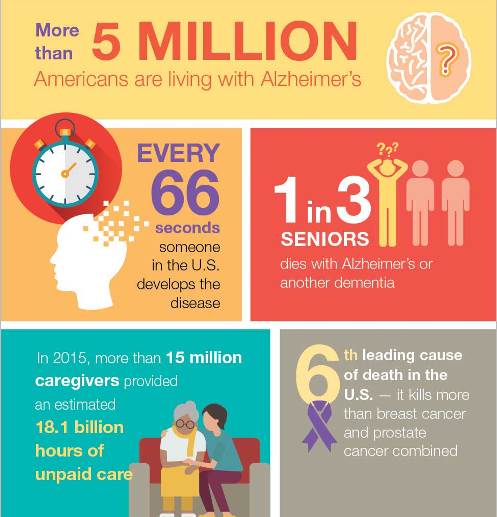
      Get quick facts about Alzheimer's disease from Mayo Clinic Health System. Memory loss
      Mayo Clinic Health System
      About Us
      Careers
      Volunteer
      Donate
      Contact Us
      Patient Care
      Patients & Visitors
      Classes & Events
      Mayo Clinic Connect
      Mayo Clinic
      Resources
      Referrals
      Community Resources
      Financial Assistance
      Price Transparency
      Compliance
      Notice of Nondiscrimination
      Notice of Privacy Practices
      No Surprises Act
      Terms of Use
      Manage Cookie
      Privacy Policy
      © 2018 - 2026 Mayo Clinic Health System