• Patient Portal
  • Pay Bill
  • Request Appointment
MCHS_Logo_2024_BLACK
    • Cardiology (Heart)
    • Gastroenterology & Hepatology (Digestive Care)
    • Neurosurgery
    • Obstetrics & Gynecology (OB-GYN)
    • Oncology (Cancer)
    • Orthopedics & Orthopedic Surgery (Bones)
    • Primary Care
    • Spine Care
    • Sports Medicine
    • Urology
    View all specialties
  • Providers
  • Minnesota

    • Albert Lea
    • Austin
    • Blooming Prairie
    • Butterfield
    • Cannon Falls
    • Fairmont
    • Faribault
    • Lake City
    • Mankato
    • New Prague
    • Northfield
    • Owatonna
    • Plainview
    • Red Wing
    • Sherburn
    • St. James
    • Waseca
    • Zumbrota

    Wisconsin

    • Arcadia
    • Barron
    • Bloomer
    • Chetek
    • Chippewa Falls
    • Eau Claire
    • Ellsworth
    • Glenwood City
    • Holmen
    • La Crosse
    • Menomonie
    • Mondovi
    • Onalaska
    • Osseo
    • Prairie du Chien
    • Rice Lake
    • Sparta
    • Tomah
    mchsmap Map view
    • VirtualCare
      Virtual Care
    • SameDayCare
      Same-Day Care
    • PrimaryCare
      Primary Care
    • SpecialtyCare
      Specialty Care
    • View all care options
    • PrimaryCare
      Billing & Insurance
    • SameDayCare
      Financial Assistance
    • VirtualCare
      Price Transparency
  • Health & Wellness Resources
    • Patient Portal
    • Pay Bill
    • Request Appointment
    MCHS_Logo_2024_BLACK
        • Cardiology (Heart)
        • Gastroenterology & Hepatology (Digestive Care)
        • Neurosurgery
        • Obstetrics & Gynecology (OB-GYN)
        • Oncology (Cancer)
        • Orthopedics & Orthopedic Surgery (Bones)
        • Primary Care
        • Spine Care
        • Sports Medicine
        • Urology
        • View all specialties
      • Providers
        • Minnesota

        • Albert Lea
        • Austin
        • Blooming Prairie
        • Butterfield
        • Cannon Falls
        • Fairmont
        • Faribault
        • Lake City
        • Mankato
        • New Prague
        • Northfield
        • Owatonna
        • Plainview
        • Red Wing
        • Sherburn
        • St. James
        • Waseca
        • Zumbrota

          Wisconsin

        • Arcadia
        • Barron
        • Bloomer
        • Chetek
        • Chippewa Falls
        • Eau Claire
        • Ellsworth
        • Glenwood City
        • Holmen
        • La Crosse
        • Menomonie
        • Mondovi
        • Onalaska
        • Osseo
        • Prairie du Chien
        • Rice Lake
        • Sparta
        • Tomah
        • Map view
        • Virtual Care
        • Same-Day Care
        • Primary Care
        • Specialty Care
        • View all care options
        • Billing & Insurance
        • Financial Assistance
        • Price Transparency
      • Health & Wellness Resources
      Posted By
      Janice Schreier MSW

      Janice Schreier, L.C.S.W.

      Psychiatry & Psychology

      Recent Posts

      • Senior person looking out window in winter
        Speaking of Health
        Seasonal affective disorder: More than feeling sad
        October 16, 2024
      • Kids crafting outdoors
        Speaking of Health
        Understanding autism: The path to diagnosis, awareness and support
        April 24, 2024
      • Person laughing while looking at someone
        Speaking of Health
        Living with bipolar disorder
        April 12, 2023
      Featured Topics
      • Behavioral Health
      • Cancer
      • Children's Health (Pediatrics)
      • Exercise and Fitness
      • Heart Health
      • Men's Health
      • Neurosurgery
      • Obstetrics and Gynecology
      • Orthopedic Health
      • Weight-loss (Bariatric) Surgery
      • Women's Health
      Speaking of Health
      Monday, February 24, 2020

      Helping a child with ADHD develop social skills
      Topics in this Post
      • Behavioral Health
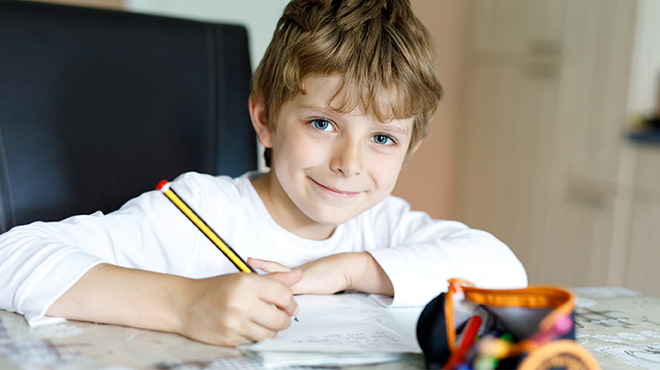
      Elementary student doing homework

      The emotional maturity level of children with attention deficit hyperactivity disorder (ADHD) may be well below that of their counterparts without ADHD. This means that a 10-year-old with ADHD may behave more like a 7- or 8-year-old around their peers, struggle to play well with others, and have a hard time sharing and losing at games.

      While it’s important that children are involved in activities with others, many children with ADHD have a difficult time making and keeping friends. If a child isn't accepted by a peer group, this can make them feel isolated, which can be one of the most painful parts of having ADHD. While some parents isolate their children from participating in activities with others, it’s extremely important that kids with ADHD take part in social activities to help develop social skills.

      Children with ADHD often have a harder time monitoring their social behavior than other children. They don’t always know how to read social situations and others’ reactions. Parents play an important role in helping increase self-awareness in children with ADHD.

      Follow these tips to help your child improve his or her social skills:

      • Provide immediate, frequent feedback about inappropriate behavior and social miscues. Children with ADHD have difficulty monitoring their social behavior, so they may need someone to provide guidance. Role-playing with your child is an effective way to simulate situations that your child may encounter. You also can point out facial expressions, scenarios and appropriate or inappropriate behavior in characters in books or on TV.
      • Focus on a few areas that your child is struggling with, such as listening or showing interest in another child. Explain to your child social rules and behaviors that reflect these skills. Set goals that are achievable and specific. Goals can be as simple as saying hi to a friend at the grocery store.
      • Schedule play dates with only one or two friends. This scenario usually is better for a child with ADHD than a play date with a large group of friends. Pair your child with children that are role models for good social skills.
      • Reward improved social skills, and reinforce skills that need more work.

      One of the most effective ways to help your child develop social skills is to coach him or her in the moment and have your child participate in activities with their peers instead of isolating him or her from others. Practicing social skills with others is more effective than simply practicing in the office setting.

      Help your child by learning more about:

      • Fostering resiliency in kids
      • Tips to help students adjust going back to school
      • 6 tips for reducing screen time
      • Parenting a child or teen with ADHD

      Janice Schreier is a clinical therapist in Psychiatry & Psychology in La Crosse, Wisconsin.

      Topics in this Post
      • Behavioral Health

      Related Posts

      White birds and clouds on blue background Gratitude challenge participants find new appreciation for life
      Cut veggies and hummus Embrace a healthy mindset for eating — no matter the occasion
      Two people working Maintaining healthy relationships with age
      Mayo Clinic Health System
      About Us
      Careers
      Volunteer
      Donate
      Contact Us
      Patient Care
      Patients & Visitors
      Classes & Events
      Mayo Clinic Connect
      Mayo Clinic
      Resources
      Referrals
      Community Resources
      Financial Assistance
      Price Transparency
      Compliance
      Notice of Nondiscrimination
      Notice of Privacy Practices
      No Surprises Act
      Terms of Use
      Manage Cookie
      Privacy Policy
      © 2018 - 2026 Mayo Clinic Health System