Conditions treated
Our wound and ostomy care providers and nurses evaluate and treat complex and nonhealing wounds that do not respond to standard treatment methods.
-
Consultations
If you are in the hospital, your care team may consult our wound care specialists for all skin, wound and ostomy needs during your stay. As an outpatient, you may benefit from a consultation and individualized wound care treatment.
Consultations regarding conditions and treatments may include:
- An open sore, ulcer or injury that has not healed after two weeks of treatment.
- A nonhealing wound in addition to diabetes, circulation issues or an autoimmune disorder.
- A wound with exposed muscle, tendon or bone.
- Bone infections.
- Open or painful areas on your buttocks, tailbone or hips.
- Side effects of radiation treatment, such as wounds that won't heal, dry mouth, teeth issues or painful swallowing.
- Skin on your legs that appears scaly or has changed color.
- Surgical incisions that have not healed.
- Swelling, weepy blisters or open sores on your legs.
-
Conditions
The wound care services team provides services and treatment for a wide range of wounds and swelling-related conditions.
Conditions treated include:
- Chronic venous insufficiency.
- Chronic wounds.
- Delayed healing surgical wounds.
- Draining wounds.
- Fistulas.
- Lipedema.
- Lymphedema.
- Neuropathic or diabetic foot ulcers.
- Non-acute burns.
- Peristomal skin irritations or complications.
- Phlebolymphedema.
- Postoperative flap and graft care.
- Post-traumatic edema.
- Pressure injuries (bed sores).
- Stomas.
- Traumatic wounds.
- Vascular leg ulcers, including arterial (ischemic) and venous stasis ulcers.
If you have an ostomy, a wound and ostomy care nurse meets with you before and after surgery. They also offer follow-up care to fit appliances and address concerns about possible complications.
Diagnosis & treatments
You have access to treatment therapies designed to alleviate wound pain and discomfort while promoting healing. To keep you comfortable during treatment, the care team administers topical medication to the wound area before performing any procedure.
-
Treatment therapies
Our wound care experts are trained in the specialized, detailed care of problem wounds and swelling-related conditions. They use the most up-to-date treatment therapies, including:
- Complete decongestive therapy (CDT).
- Compression wrapping.
- Debridement of nonviable or infected tissue.
- Electrical stimulation.
- Gradient compression stockings.
- Growth factors.
- Hyperbaric oxygen therapy.
- Manual lymphatic drainage.
- Off-weighting and pressure reduction.
- Specialized and bioengineered dressings.
- Therapeutic exercises and ultrasound.
- Topical wound medications, including antibacterial treatment.
- Ultrasonic mist therapy.
- Vacuum-assisted closure.
-
Holistic care
Our wound care specialists know that all healing requires holistic care. Their whole-body approach to wound healing includes:
- Diabetes education.
- Nutritional assessment and counseling.
- Orthotics.
- Pain management.
- Patient and caregiver counseling.
- Physical therapy.
- Pressure relief mattresses.
- Prosthetics and amputee clinic.
An important aspect of any wound care plan is patient education. Your visits will include individualized care, as well as instruction and information to help you heal while at home.
Care team
Our wound and ostomy care team is specially trained to manage complex and nonhealing wounds. They collaborate with your referring provider or specialist during your treatments.
Our specialists include:
- Physicians.
- Advanced practice providers.
- Certified wound care nurses.
- Healthcare educators.
- Physiatrists.
- Physical therapists.
- Vascular medicine providers.
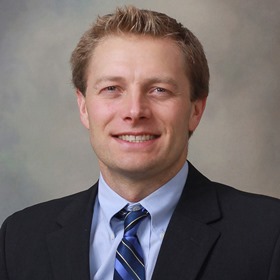
Podiatry (Foot & Ankle), Wound & Ostomy Care

Hyperbaric Medicine, Wound & Ostomy Care
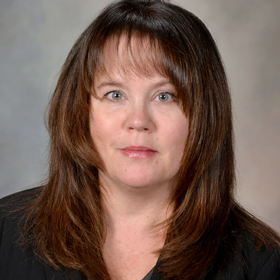
Wound & Ostomy Care
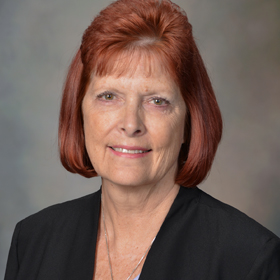
Wound & Ostomy Care

Wound & Ostomy Care
Locations View all Wound & Ostomy Care locations

Mankato, MN
Hospital and Clinic- Call for appointment
- 507-594-7562

Osseo, WI
Hospital and Clinic- Call for appointment
- Mon-Fri:7:00 AM - 7:00 PM
- 715-464-3866

Austin, MN
Hospital and Clinic- Call for appointment
- Mon-Fri:7:00 AM - 7:00 PM
- 507-738-4003

Eau Claire, WI
Hospital- Call for appointment
- Mon-Fri:7:00 AM - 7:00 PM
- 715-464-3866
FAQ
-
What causes nonhealing wounds?
Chronic, or nonhealing, wounds can result from many factors, including:
- Diabetes.
- Immobility, which can lead to pressure injuries (bed sores).
- Poor circulation.
- Trauma.
- Vascular disease.
-
What can I expect at my first wound care appointment?
You will meet with a provider for your initial wound care appointment. The provider and other skilled wound care professionals will perform:
- Comprehensive wound assessment, including taking photos of the wound.
- Lab (blood test) review.
- Medical history review.
- Treatment review.
When you come for your appointment, please bring:
- Copy of your insurance card.
- Current medication list.
- Identification.
Plan to spend approximately one hour at your first wound care appointment. Depending on your wound care plan, follow-up appointments may be shorter and scheduled with a physician, advanced practice provider or wound care nurse.
-
Does insurance cover wound and ostomy care?
Many health plans, including Medicare, Medical Assistance and commercial insurance, cover outpatient wound care. Contact your insurance provider for coverage details. Our Patient Account Services team is happy to answer any questions and help you navigate billing and insurance.
Related blogs



If you are dealing with coughs, fevers or congestion, know when to seek medical care and when symptoms can be managed at home.