• Patient Portal
  • Pay Bill
  • Request Appointment
MCHS_Logo_2024_BLACK
    • Cardiology (Heart)
    • Gastroenterology & Hepatology (Digestive Care)
    • Neurosurgery
    • Obstetrics & Gynecology (OB-GYN)
    • Oncology (Cancer)
    • Orthopedics & Orthopedic Surgery (Bones)
    • Primary Care
    • Spine Care
    • Sports Medicine
    • Virtual Care 24/7
    View all specialties
  • Providers
  • Minnesota

    • Albert Lea
    • Austin
    • Blooming Prairie
    • Butterfield
    • Cannon Falls
    • Fairmont
    • Faribault
    • Lake City
    • Mankato
    • New Prague
    • Northfield
    • Owatonna
    • Plainview
    • Red Wing
    • Sherburn
    • St. James
    • Waseca
    • Zumbrota

    Wisconsin

    • Arcadia
    • Barron
    • Bloomer
    • Chetek
    • Chippewa Falls
    • Eau Claire
    • Ellsworth
    • Glenwood City
    • Holmen
    • La Crosse
    • Menomonie
    • Mondovi
    • Onalaska
    • Osseo
    • Prairie du Chien
    • Rice Lake
    • Sparta
    • Tomah
    mchsmap Map view
    • VirtualCare
      Virtual Care
    • SameDayCare
      Same-Day Care
    • PrimaryCare
      Primary Care
    • SpecialtyCare
      Specialty Care
    • View all care options
    • PrimaryCare
      Billing & Insurance
    • SameDayCare
      Financial Assistance
    • VirtualCare
      Price Transparency
    • Hometown Health
    • Classes & Events
    • Self-guided wellness programs
    • Mayo Clinic Connect
    • Community Resources
  • Patient Portal
  • Pay Bill
  • Request Appointment
MCHS_Logo_2024_BLACK
Search Mayo Clinic Health System
    • Cardiology (Heart)
    • Gastroenterology & Hepatology (Digestive Care)
    • Neurosurgery
    • Obstetrics & Gynecology (OB-GYN)
    • Oncology (Cancer)
    • Orthopedics & Orthopedic Surgery (Bones)
    • Primary Care
    • Spine Care
    • Sports Medicine
    • Virtual Care 24/7
    • View all specialties
  • Providers
    • Minnesota

    • Albert Lea
    • Austin
    • Blooming Prairie
    • Butterfield
    • Cannon Falls
    • Fairmont
    • Faribault
    • Lake City
    • Mankato
    • New Prague
    • Northfield
    • Owatonna
    • Plainview
    • Red Wing
    • Sherburn
    • St. James
    • Waseca
    • Zumbrota

      Wisconsin

    • Arcadia
    • Barron
    • Bloomer
    • Chetek
    • Chippewa Falls
    • Eau Claire
    • Ellsworth
    • Glenwood City
    • Holmen
    • La Crosse
    • Menomonie
    • Mondovi
    • Onalaska
    • Osseo
    • Prairie du Chien
    • Rice Lake
    • Sparta
    • Tomah
    • Map view
    • Virtual Care
    • Same-Day Care
    • Primary Care
    • Specialty Care
    • View all care options
    • Billing & Insurance
    • Financial Assistance
    • Price Transparency
    • Hometown Health
    • Classes & Events
    • Self-guided wellness programs
    • Mayo Clinic Connect
    • Community Resources
Posted By
Robert Friese OD

Robert Friese, O.D.

Ophthalmology & Optometry (Eyes)

Recent Posts

  • Person walking on winter trail, wearing knit hat
    Speaking of Health
    Relief for dry eyes a welcome sight
    January 04, 2022
  • Halloween contact lenses
    Speaking of Health
    Halloween safety: Decorative lenses can be dangerous
    October 20, 2020
Featured Topics
  • Behavioral Health
  • Cancer
  • Children's Health (Pediatrics)
  • Exercise and Fitness
  • Heart Health
  • Men's Health
  • Neurosurgery
  • Obstetrics and Gynecology
  • Orthopedic Health
  • Weight-loss (Bariatric) Surgery
  • Women's Health
Speaking of Health
Monday, April 1, 2024

How to watch the solar eclipse safely
Topics in this Post
  • Eye Health
  • Hot Topics
Solar eclipse

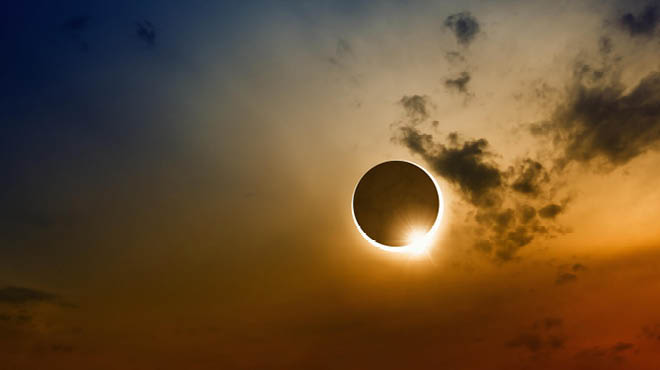
On April 8, a solar eclipse — when the moon blocks the sun — will be visible in North America as the sun crosses Mexico, the U.S. and Canada. A total eclipse will occur in certain locations in the U.S., and a partial eclipse will be visible in other areas of the country, including Minnesota, Wisconsin and Iowa. While the eclipse is a momentous occasion, it's something eye experts say you need to enjoy safely.

Eye safety during the eclipse

Looking into any type of eclipse — partial or total — poses severe risks to your eyes. You could permanently damage your retina or even cause blindness. It's not safe to look directly at the sun without specialized protective eyewear.

If you plan to take part in the solar viewing, you need to use solar eclipse glasses or a solar viewer to be completely safe. Solar viewers or glasses labeled as ISO 12312-2 compliant reduce the sunlight to a safe level for viewing.

Regular sunglasses and homemade solar filters are not safe for use. Regular sunglasses don't provide adequate eye protection like eclipse glasses, no matter how dark the sunglasses are.

The eclipse can be viewed directly without eye protection only when the sun is entirely covered by the moon, which is called totality. During this period, you'll no longer be able to see any part of the sun through your eclipse glasses or solar viewer.

It's crucial to immediately put on your eclipse glasses or use the solar viewer again as soon as the sun's first light is visible behind the moon.

Safety tips for eclipse viewing

Eclipse viewers should follow these safety tips from the American Academy of Ophthalmology and the American Astronomical Society:

  • Always read and follow all directions that come with the solar filter or eclipse glasses.
  • Carefully look at your solar filter or eclipse glasses before using them. If you see any scratches, tears or damage, don't use them.
  • Before looking up at the bright sun, stand still and cover your eyes with your eclipse glasses or solar viewer. After glancing at the sun, turn away and remove your filter — don't remove it while looking at the sun.
  • Help children use handheld solar viewers and eclipse glasses correctly.
  • Never look at the uneclipsed or partially eclipsed sun through an unfiltered camera, telescope, binoculars or similar devices. This is important even if you're wearing eclipse glasses or holding a solar viewer at the same time. The intense solar rays coming through these devices will damage the solar filter and your eyes.
  • Talk with an expert astronomer if you want to use a special solar filter with a camera, a telescope, binoculars or any other optical device.

Have fun watching the solar eclipse, but be sure your eyes are properly protected.

Robert Friese, O.D., is an optometrist in Fairmont, Minnesota.

Topics in this Post
  • Eye Health
  • Hot Topics

Related Posts

Making a snowman 6 common flu misconceptions
Parent hugging child from behind Flu shots and COVID-19
Photographer behind a camera Don’t be fooled by glaucoma — the silent sight thief
Mayo Clinic Health System
About Us
Careers
Volunteer
Donate
Contact Us
Patient Care
Patients & Visitors
Classes & Events
Mayo Clinic Connect
Mayo Clinic
Resources
Referrals
Community Resources
Financial Assistance
Price Transparency
Compliance
Notice of Nondiscrimination
Notice of Privacy Practices
No Surprises Act
Terms of Use
Manage Cookie
Privacy Policy
© 2018 - 2026 Mayo Clinic Health System