• Patient Portal
  • Pay Bill
  • Request Appointment
MCHS_Logo_2024_BLACK
    • Cardiology (Heart)
    • Gastroenterology & Hepatology (Digestive Care)
    • Neurosurgery
    • Obstetrics & Gynecology (OB-GYN)
    • Oncology (Cancer)
    • Orthopedics & Orthopedic Surgery (Bones)
    • Primary Care
    • Spine Care
    • Sports Medicine
    • Virtual Care 24/7
    View all specialties
  • Providers
  • Minnesota

    • Albert Lea
    • Austin
    • Blooming Prairie
    • Butterfield
    • Cannon Falls
    • Fairmont
    • Faribault
    • Lake City
    • Mankato
    • New Prague
    • Northfield
    • Owatonna
    • Plainview
    • Red Wing
    • Sherburn
    • St. James
    • Waseca
    • Zumbrota

    Wisconsin

    • Arcadia
    • Barron
    • Bloomer
    • Chetek
    • Chippewa Falls
    • Eau Claire
    • Ellsworth
    • Glenwood City
    • Holmen
    • La Crosse
    • Menomonie
    • Mondovi
    • Onalaska
    • Osseo
    • Prairie du Chien
    • Rice Lake
    • Sparta
    • Tomah
    mchsmap Map view
    • VirtualCare
      Virtual Care
    • SameDayCare
      Same-Day Care
    • PrimaryCare
      Primary Care
    • SpecialtyCare
      Specialty Care
    • View all care options
    • PrimaryCare
      Billing & Insurance
    • SameDayCare
      Financial Assistance
    • VirtualCare
      Price Transparency
    • Hometown Health
    • Classes & Events
    • Self-guided wellness programs
    • Mayo Clinic Connect
    • Community Resources
  • Patient Portal
  • Pay Bill
  • Request Appointment
MCHS_Logo_2024_BLACK
Search Mayo Clinic Health System
    • Cardiology (Heart)
    • Gastroenterology & Hepatology (Digestive Care)
    • Neurosurgery
    • Obstetrics & Gynecology (OB-GYN)
    • Oncology (Cancer)
    • Orthopedics & Orthopedic Surgery (Bones)
    • Primary Care
    • Spine Care
    • Sports Medicine
    • Virtual Care 24/7
    • View all specialties
  • Providers
    • Minnesota

    • Albert Lea
    • Austin
    • Blooming Prairie
    • Butterfield
    • Cannon Falls
    • Fairmont
    • Faribault
    • Lake City
    • Mankato
    • New Prague
    • Northfield
    • Owatonna
    • Plainview
    • Red Wing
    • Sherburn
    • St. James
    • Waseca
    • Zumbrota

      Wisconsin

    • Arcadia
    • Barron
    • Bloomer
    • Chetek
    • Chippewa Falls
    • Eau Claire
    • Ellsworth
    • Glenwood City
    • Holmen
    • La Crosse
    • Menomonie
    • Mondovi
    • Onalaska
    • Osseo
    • Prairie du Chien
    • Rice Lake
    • Sparta
    • Tomah
    • Map view
    • Virtual Care
    • Same-Day Care
    • Primary Care
    • Specialty Care
    • View all care options
    • Billing & Insurance
    • Financial Assistance
    • Price Transparency
    • Hometown Health
    • Classes & Events
    • Self-guided wellness programs
    • Mayo Clinic Connect
    • Community Resources
Posted By
Grace Fjeldberg RDN

Grace Fjeldberg, RDN, LD

Medical Nutrition Therapy, Oncology (Cancer)

Recent Posts

  • Child with berries on fingertips
    Speaking of Health
    Raising healthy eaters: Should kids clean their plate?
    September 21, 2022
  • Roasted sweet potatoes with herbs
    Speaking of Health
    Plant power: Using diet to lower cancer risk
    June 21, 2022
  • Reading supplement ingredients
    Speaking of Health
    Should I take vitamins and supplements after weight-loss surgery?

    April 08, 2022
Featured Topics
  • Behavioral Health
  • Cancer
  • Children's Health (Pediatrics)
  • Exercise and Fitness
  • Heart Health
  • Men's Health
  • Neurosurgery
  • Obstetrics and Gynecology
  • Orthopedic Health
  • Weight-loss (Bariatric) Surgery
  • Women's Health
Speaking of Health
Friday, August 2, 2024

Nourishing your health: Diet and nutrition factors for cancer prevention
Topics in this Post
  • Nutrition
  • Cancer
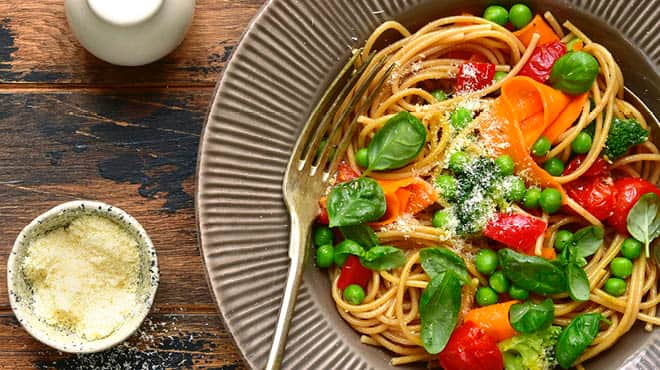
Healthy food dish

Compelling evidence shows that generous amounts of fruits and veggies as part of a healthy diet may lower the risk of chronic diseases like diabetes, heart disease and certain types of cancer. Eating a nutritious diet and adopting beneficial behaviors have the power to decrease the possibility of developing cancer.

Risks from foods and beverages

Alcohol use

Alcohol use is linked to an increased risk of cancer as the third most modifiable lifestyle factor. Research shows that less than one drink of any type of alcohol per day increases the risk of common cancers like breast, head and neck and esophageal cancers.

Decreasing alcohol consumption lowers your cancer risk.

Processed and red meat

Research shows diets with more than 18 ounces of red meat weekly can increase your cancer risk. Processed meats like hot dogs and deli meat should be limited or avoided entirely.

Consuming moderate amounts of red meat provides a good protein, iron, zinc and vitamin B12 source. The recommended intake should be limited to 12–18 ounces of red meat per week, divided into three or more portions.

Also, cooking meats at high temperatures or charring them can create harmful chemicals that may raise cancer risk.

Sugars and sweeteners

Although research hasn't shown a direct link between eating sugar and cancer risk, eating too much sugar over time can lead to obesity, which is a known risk factor for cancer. Also, research suggests that higher amounts of added sugars can lead to insulin resistance, as well as elevated insulin levels and insulin-like growth factor-I (IGF-I). These factors may all increase the risk of cancer.

Diet and nutrition

Focus on eating a diet rich in fruits and veggies, legumes, nuts and seeds, lean meats, low-fat dairy products and whole grains. Most foods have functional components, such as antioxidants,, omega-3 fatty acids and polyphenols. Functional foods, also known as superfoods, work to decrease damage caused by inflammation and oxidation. Oxidation is a natural process that leads to cell and tissue damage and may contribute to some diseases.

Over the years, research has revealed the true power of plant-based nutrition to decrease the risk of certain types of cancer. As research continues to reveal, there isn't a single food that protects you from cancer. It's a cumulative approach of overall diet choices, exercise and other lifestyle factors.

Aim to eat a variety of fruits, veggies, whole grains, legumes, nuts and seeds to maximize the benefits of a cancer-preventive diet. The more variety and color you add to your plate meals, the more you improve your overall health.

Next steps:

  • Find a registered dietitian nutritionist near you.
  • Learn about managing chronic conditions with nutrition counseling.
  • Read more about using diet to lower cancer risk.
  • Get diet tips to reduce side effects during cancer treatment.
  • Find out why bariatric surgery may reduce cancer risk.

Grace Fjeldberg is a registered dietitian nutritionist in Nutrition in Mankato, Minnesota.
Topics in this Post
  • Nutrition
  • Cancer

Related Posts

Woman Lifting Weights by Healthy Food Healthy food, lifestyle can help prevent cancer
Person wearing head scarf, holding coffee cup while outdoors Diet tips during cancer treatment
Roasted sweet potatoes with herbs Plant power: Using diet to lower cancer risk
Mayo Clinic Health System
About Us
Careers
Volunteer
Donate
Contact Us
Patient Care
Patients & Visitors
Classes & Events
Mayo Clinic Connect
Mayo Clinic
Resources
Referrals
Community Resources
Financial Assistance
Price Transparency
Compliance
Notice of Nondiscrimination
Notice of Privacy Practices
No Surprises Act
Terms of Use
Manage Cookie
Privacy Policy
© 2018 - 2026 Mayo Clinic Health System