• Patient Portal
  • Pay Bill
  • Request Appointment
MCHS_Logo_2024_BLACK
    • Cardiology (Heart)
    • Gastroenterology & Hepatology (Digestive Care)
    • Neurosurgery
    • Obstetrics & Gynecology (OB-GYN)
    • Oncology (Cancer)
    • Orthopedics & Orthopedic Surgery (Bones)
    • Primary Care
    • Spine Care
    • Sports Medicine
    • Urology
    View all specialties
  • Providers
  • Minnesota

    • Albert Lea
    • Austin
    • Blooming Prairie
    • Butterfield
    • Cannon Falls
    • Fairmont
    • Faribault
    • Lake City
    • Mankato
    • New Prague
    • Northfield
    • Owatonna
    • Plainview
    • Red Wing
    • Sherburn
    • St. James
    • Waseca
    • Zumbrota

    Wisconsin

    • Arcadia
    • Barron
    • Bloomer
    • Chetek
    • Chippewa Falls
    • Eau Claire
    • Ellsworth
    • Glenwood City
    • Holmen
    • La Crosse
    • Menomonie
    • Mondovi
    • Onalaska
    • Osseo
    • Prairie du Chien
    • Rice Lake
    • Sparta
    • Tomah
    mchsmap Map view
    • VirtualCare
      Virtual Care
    • SameDayCare
      Same-Day Care
    • PrimaryCare
      Primary Care
    • SpecialtyCare
      Specialty Care
    • View all care options
    • PrimaryCare
      Billing & Insurance
    • SameDayCare
      Financial Assistance
    • VirtualCare
      Price Transparency
  • Health & Wellness Resources
    • Patient Portal
    • Pay Bill
    • Request Appointment
    MCHS_Logo_2024_BLACK
        • Cardiology (Heart)
        • Gastroenterology & Hepatology (Digestive Care)
        • Neurosurgery
        • Obstetrics & Gynecology (OB-GYN)
        • Oncology (Cancer)
        • Orthopedics & Orthopedic Surgery (Bones)
        • Primary Care
        • Spine Care
        • Sports Medicine
        • Urology
        • View all specialties
      • Providers
        • Minnesota

        • Albert Lea
        • Austin
        • Blooming Prairie
        • Butterfield
        • Cannon Falls
        • Fairmont
        • Faribault
        • Lake City
        • Mankato
        • New Prague
        • Northfield
        • Owatonna
        • Plainview
        • Red Wing
        • Sherburn
        • St. James
        • Waseca
        • Zumbrota

          Wisconsin

        • Arcadia
        • Barron
        • Bloomer
        • Chetek
        • Chippewa Falls
        • Eau Claire
        • Ellsworth
        • Glenwood City
        • Holmen
        • La Crosse
        • Menomonie
        • Mondovi
        • Onalaska
        • Osseo
        • Prairie du Chien
        • Rice Lake
        • Sparta
        • Tomah
        • Map view
        • Virtual Care
        • Same-Day Care
        • Primary Care
        • Specialty Care
        • View all care options
        • Billing & Insurance
        • Financial Assistance
        • Price Transparency
      • Health & Wellness Resources
      Posted By
      Jessica Sheehy, P.A.-C., P.A.

      Jessica Sheehy, P.A.-C.

      Infectious Diseases

      Recent Posts

      • Group dancing outdoors
        Speaking of Health
        Foreign travel plans? What to know about influenza before you go
        April 04, 2024
      • Child with bandage on arm
        Speaking of Health
        Why childhood vaccinations matter
        August 07, 2023
      • Tourist reading map
        Speaking of Health
        Hepatitis B vaccine: What to know to protect yourself

        November 15, 2022
      Featured Topics
      • Behavioral Health
      • Cancer
      • Children's Health (Pediatrics)
      • Exercise and Fitness
      • Heart Health
      • Men's Health
      • Neurosurgery
      • Obstetrics and Gynecology
      • Orthopedic Health
      • Weight-loss (Bariatric) Surgery
      • Women's Health
      Speaking of Health
      Monday, July 1, 2024

      6 tips for flood water safety

      Topics in this Post
      • Safety
      • Hot Topics
      • Infectious Diseases
      • Gastrointestinal Health
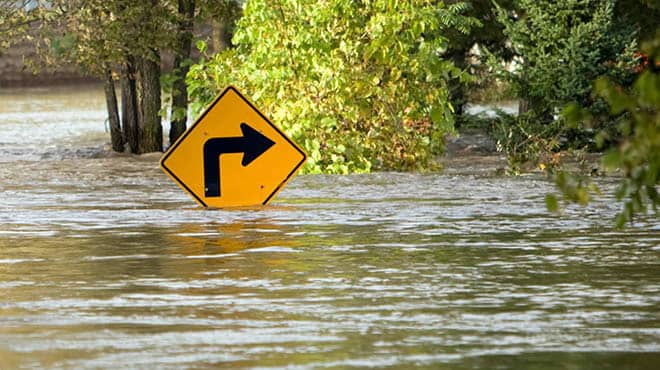
      Flooded road and sign

      Recent weather has produced intense rainfalls and flooding in the Midwest. Subsequently, these rainfalls have resulted in many facilities and basements playing host to standing flood water. Though most flood water eventually evaporates or is removed, these water accumulations can pose significant health and safety risks.

      Standing flood water can be a breeding ground for mosquitoes, which carry diseases like West Nile virus and several viruses that cause encephalitis. Flood water and standing pools also may contain sewage and hazardous substances from chemicals and agricultural runoff.

      You should avoid standing flood water whenever possible. Here are practical safety tips:

      • Avoid flooded areas.
        Flood waters can be fast-moving and sweep away people and vehicles. Do not drive, walk or swim through flood waters. Don't allow children to play in or near flood waters. It can be difficult to judge the depth of the water, and unknown dangers may be hidden by it.
      • Clean and disinfect items that have touched flood water.
        Taking a twofold approach to cleaning up after a flood is crucial. Cleaners remove dirt and grime, and disinfectants stop the growth of bacteria carried in floodwater. Wear proper safety gear like gloves and eye protection while cleaning. If you are cleaning areas that have mold growing, it's also recommended to wear a N95 mask.
      • Don't eat foods that may have come into contact with flood water.
        Even if the food is packaged, it could have been exposed to bacteria from the floodwater. If there are power outages, dispose of food that has warmed or thawed in fridges and freezers.
      • Ensure drinking water is safe.
        Contaminated water can contain bacteria and cause serious infections. Follow water safety advisories to boil water before drinking or use bottled water. If needed, bring water to a rolling boil for one full minute to kill water-borne bacteria.
      • Never expose an open wound to flood water.
        During flood cleanup, there's a risk of developing cuts, open wounds or blisters, which could increase the risk of infection. Clean wounds with soap and clean water. Apply an antibiotic ointment and cover it with a waterproof bandage.
      • Wash your hands often and thoroughly.
        If you've come into contact with flood water or objects that have touched flood water, it's crucial to clean your hands with soap and water or alcohol-based hand sanitizer.

      Consider having an emergency kit stocked with water, nonperishable food, a first-aid kit, flashlights and extra batteries. Stay informed of your local flood warnings, particularly if you live in an area prone to flooding.

      If you've been in contact with flood water, watch for symptoms like diarrhea, vomiting and fever. Seek care with your healthcare team if you develop symptoms and feel unwell.

      To learn more about protecting yourself against the dangers of flood water, visit the Centers for Disease Control and Prevention's website.

      Jessica Sheehy is physician assistant in Infectious Diseases in Mankato, Minnesota

      Topics in this Post
      • Safety
      • Hot Topics
      • Infectious Diseases
      • Gastrointestinal Health

      Related Posts

      Preparing shrimp meal in bowl Steps to prevent norovirus
      Making a snowman 6 common flu misconceptions
      Person with dermal piercing and neck tattoo Endemic vs. epidemic vs. pandemic: What you need to know
      Mayo Clinic Health System
      About Us
      Careers
      Volunteer
      Donate
      Contact Us
      Patient Care
      Patients & Visitors
      Classes & Events
      Mayo Clinic Connect
      Mayo Clinic
      Resources
      Referrals
      Community Resources
      Financial Assistance
      Price Transparency
      Compliance
      Notice of Nondiscrimination
      Notice of Privacy Practices
      No Surprises Act
      Terms of Use
      Manage Cookie
      Privacy Policy
      © 2018 - 2026 Mayo Clinic Health System