• Patient Portal
  • Pay Bill
  • Request Appointment
MCHS_Logo_2024_BLACK
    • Cardiology (Heart)
    • Gastroenterology & Hepatology (Digestive Care)
    • Neurosurgery
    • Obstetrics & Gynecology (OB-GYN)
    • Oncology (Cancer)
    • Orthopedics & Orthopedic Surgery (Bones)
    • Primary Care
    • Spine Care
    • Sports Medicine
    • Virtual Care 24/7
    View all specialties
  • Providers
  • Minnesota

    • Albert Lea
    • Austin
    • Blooming Prairie
    • Butterfield
    • Cannon Falls
    • Fairmont
    • Faribault
    • Lake City
    • Mankato
    • New Prague
    • Northfield
    • Owatonna
    • Plainview
    • Red Wing
    • Sherburn
    • St. James
    • Waseca
    • Zumbrota

    Wisconsin

    • Arcadia
    • Barron
    • Bloomer
    • Chetek
    • Chippewa Falls
    • Eau Claire
    • Ellsworth
    • Glenwood City
    • Holmen
    • La Crosse
    • Menomonie
    • Mondovi
    • Onalaska
    • Osseo
    • Prairie du Chien
    • Rice Lake
    • Sparta
    • Tomah
    mchsmap Map view
    • VirtualCare
      Virtual Care
    • SameDayCare
      Same-Day Care
    • PrimaryCare
      Primary Care
    • SpecialtyCare
      Specialty Care
    • View all care options
    • PrimaryCare
      Billing & Insurance
    • SameDayCare
      Financial Assistance
    • VirtualCare
      Price Transparency
    • Hometown Health
    • Classes & Events
    • Self-guided wellness programs
    • Mayo Clinic Connect
    • Community Resources
  • Patient Portal
  • Pay Bill
  • Request Appointment
MCHS_Logo_2024_BLACK
Search Mayo Clinic Health System
    • Cardiology (Heart)
    • Gastroenterology & Hepatology (Digestive Care)
    • Neurosurgery
    • Obstetrics & Gynecology (OB-GYN)
    • Oncology (Cancer)
    • Orthopedics & Orthopedic Surgery (Bones)
    • Primary Care
    • Spine Care
    • Sports Medicine
    • Virtual Care 24/7
    • View all specialties
  • Providers
    • Minnesota

    • Albert Lea
    • Austin
    • Blooming Prairie
    • Butterfield
    • Cannon Falls
    • Fairmont
    • Faribault
    • Lake City
    • Mankato
    • New Prague
    • Northfield
    • Owatonna
    • Plainview
    • Red Wing
    • Sherburn
    • St. James
    • Waseca
    • Zumbrota

      Wisconsin

    • Arcadia
    • Barron
    • Bloomer
    • Chetek
    • Chippewa Falls
    • Eau Claire
    • Ellsworth
    • Glenwood City
    • Holmen
    • La Crosse
    • Menomonie
    • Mondovi
    • Onalaska
    • Osseo
    • Prairie du Chien
    • Rice Lake
    • Sparta
    • Tomah
    • Map view
    • Virtual Care
    • Same-Day Care
    • Primary Care
    • Specialty Care
    • View all care options
    • Billing & Insurance
    • Financial Assistance
    • Price Transparency
    • Hometown Health
    • Classes & Events
    • Self-guided wellness programs
    • Mayo Clinic Connect
    • Community Resources

Recent Posts

  • ColdfluRSV blog photo
    Speaking of Health
    When to seek care for cold, flu and RSV
    March 10, 2026
  • winter outdoor lady and girl 660x370
    Speaking of Health
    Is your sinus pressure a sinus infection?
    February 09, 2026
  • Izzy Iverson
    Patient Stories
    Unexpected vacation ending leads to rare tumor discovery
    February 05, 2026
Featured Topics
  • Behavioral Health
  • Cancer
  • Children's Health (Pediatrics)
  • Exercise and Fitness
  • Heart Health
  • Men's Health
  • Neurosurgery
  • Obstetrics and Gynecology
  • Orthopedic Health
  • Weight-loss (Bariatric) Surgery
  • Women's Health
Speaking of Health
Monday, March 22, 2021

Medication disposal: Why, how to safely clean out your medicine cabinet
Topics in this Post
  • Medication Management
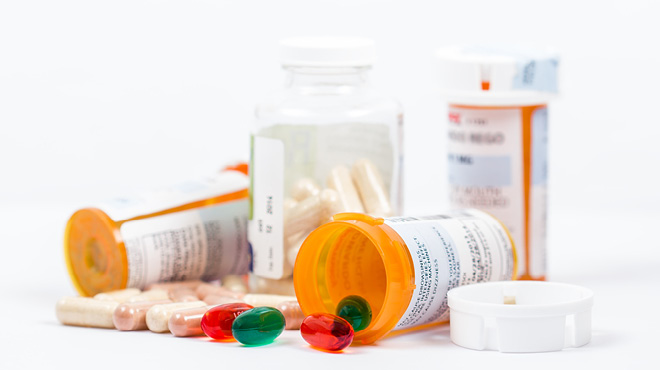
Prescription medications and bottles

Medicines play an important role in treating many conditions and diseases. But when those medicines are no longer are needed, it's important to dispose of them properly to reduce risk from accidental exposure or intentional misuse.

Accidental exposure to medicine in the home is a major source of unintentional poisonings. There were 294,317 cases of improper medicine use in 2019, according to the American Association of Poison Control Centers. Approximately 9% of those cases — about 26,317 — involved accidental exposure to another person's medicine. Approximately 3,846 of these accidental exposure cases involved children 5 and younger.

The American Association of Poison Control Centers managed 2.6 million cases by telephone in 2019 — about 2.1 million of which were about people coming into contact with potentially dangerous substances. Of human exposure cases managed by poison control centers, 49% involved pharmaceuticals.

What ages are affected by unintentional medication poisoning?

Keeping medicines after they are no longer needed creates an unnecessary health risk in the home, especially if children are present. Even child-resistant containers cannot completely prevent a child from ingesting medicines that belong to someone else.

Children younger than 6 make up a disproportionate percentage of the cases, but poisoning affects all age groups, according to a 2019 study conducted by the American Association of Poison Control Centers. Peak poisoning frequency occurs in children ages 1–2, but poisonings in teens and adults are more serious. A larger percentage of children under 13 involved in a poison exposure are male and the trend switches to more females as children become teens and adults.

A small number of medicines may be especially harmful, and in some cases fatal, with just one dose if used by someone other than the person for whom the medicine was prescribed.

To prevent accidental exposure or ingestion of these potentially dangerous medicines by children and others, the Food and Drug Administration (FDA) recommends that people lock up medications and quickly dispose of extra doses.

Types of disposal

When there is a high risk of accidental poisoning, overdose or diversion, it is better to dispose of unused medications than to keep them.

Consider these options and special instructions when disposing of expired, unwanted or unused medicines:
Local medication take-back program

The best disposal option is using a local medication take-back program operated by local law enforcement agencies. Many county agencies and police departments offer take-back events or have permanent drug drop boxes that are available during normal business hours. You also can contact your local waste management authority to learn about medication disposal options and guidelines for your area.

The FDA recommends trash disposal or flushing down toilet in certain situations if a take-back program is not an option for you.

Disposal in household trash
There are a few simple steps to follow if you dispose of medicines in the household trash:
  1. Mix medicines with an unpalatable substance, such as dirt, kitty litter or used coffee grounds.
  2. Place the mixture in a container, such as a sealed plastic bag.
  3. Throw the container in your household trash.
  4. Scratch out all personal information on the prescription label of the empty pill bottle or medicine packaging to make it unreadable and dispose of the container.
Flush down toilet

The FDA maintains a list of medications that can be flushed if a take-back center is not available.

Troy Taylor is a pharmacist in Eau Claire, Wisconsin.

Topics in this Post
  • Medication Management

Related Posts

Front porch view of door Healthy home advice: Falls, chemicals, medications, sharps
Two people talking indoors Weigh benefits, risks carefully before taking off-label medication
Prescription bottle emptying capsules into hand Over-the-counter, prescription medication safety
Mayo Clinic Health System
About Us
Careers
Volunteer
Donate
Contact Us
Patient Care
Patients & Visitors
Classes & Events
Mayo Clinic Connect
Mayo Clinic
Resources
Referrals
Community Resources
Financial Assistance
Price Transparency
Compliance
Notice of Nondiscrimination
Notice of Privacy Practices
No Surprises Act
Terms of Use
Manage Cookie
Privacy Policy
© 2018 - 2026 Mayo Clinic Health System